Main Water Shutoff Replacement Services in the Piedmont Triad Area

A main water shutoff valve is one of those things homeowners rarely think about until it fails to work when they need it most. ClearFlo Plumbing Services helps homeowners throughout the Piedmont Triad recognize the warning signs of a failing valve and understand when replacement is the right call. Whether the valve is stuck, corroded, or leaking, knowing how this component works can save you from unnecessary stress and water damage down the road.

336-252-4861

What Is a Main Water Shutoff Valve?

The main water shutoff valve is the control point where the municipal water supply (or a private well line) enters your home. Understanding its role helps explain why keeping it in working condition is so important.

The main shutoff valve is typically located where the water line enters the house, often near the water meter, in a basement, crawl space, or utility area. Turning this valve off stops water from flowing to every fixture and appliance in the home at once. This is different from fixture shutoff valves, which are smaller valves located under sinks, behind toilets, or near appliances like washing machines and water heaters. Fixture shutoff valves only control water to that specific fixture, while the main shutoff valve controls the entire home's water supply.

Signs Your Main Water Shutoff Valve Needs Replacement

A shutoff valve doesn't usually fail without warning. Certain changes in how the valve operates or looks can indicate that main water shutoff replacement or repair may be necessary.

Valve is difficult or impossible to turn: Corrosion or mineral buildup inside the valve can cause the handle to stick or resist movement entirely.

Valve is leaking: Water pooling or dripping around the valve body, even when it's closed, often points to worn internal components or a cracked housing.

Visible corrosion or rust: Green or white buildup (for older valves) or rust stains around the valve area can signal deterioration that affects performance.

Valve doesn't fully stop water flow: If water continues trickling through fixtures after the valve is closed, the internal seal may no longer be working properly.

Age of the valve: Older valves, particularly gate valves, are more prone to problems than newer ball valves, and may be due for an inspection.

What Does the Main Water Shutoff Valve Do?

This valve serves as the first line of defense during a plumbing emergency. It gives homeowners a single point of control rather than needing to shut off water at multiple locations throughout the house.

When a pipe bursts, a fixture leaks uncontrollably, or plumbing work needs to be done, closing the main shutoff valve stops water flow to the entire home immediately. Without a functioning valve, homeowners may have no reliable way to stop water flow during an emergency, which can lead to significant property damage. This is one of the main reasons a working main water shutoff valve matters so much, even though it's easy to overlook until there's a problem.
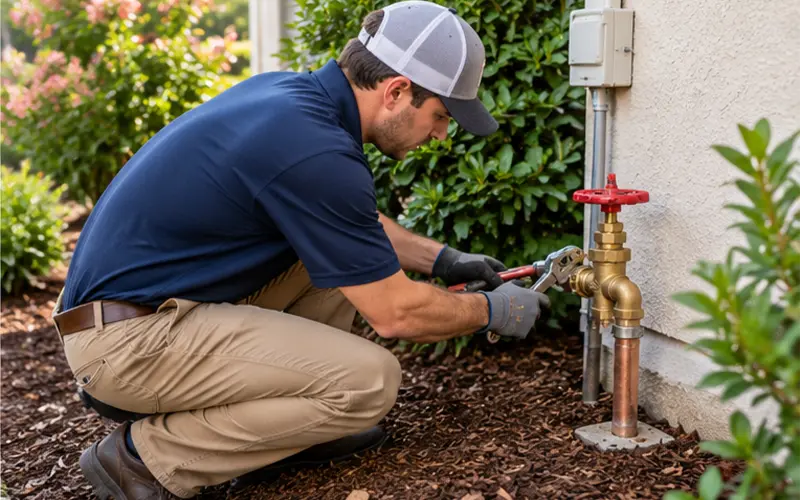
A man wearing a uniform works on an outdoor water valve with a wrench.

Common Main Water Shutoff Valve Problems

Shutoff valve issues generally fall into a few categories, and understanding the difference can help homeowners describe the problem accurately when contacting a plumber. Not every issue requires full replacement, but each one deserves attention before it becomes a bigger concern.

Leaking Main Water Shutoff Valve

A leaking main water shutoff valve is often caused by worn washers, a deteriorated seal, or a small crack in the valve body itself. In some cases, tightening or repacking the valve resolves the leak, but a valve that continues leaking after minor repairs usually needs replacement.

Main Shutoff Valve Won't Turn

A valve that won't turn is commonly the result of mineral deposits or corrosion binding the internal mechanism. Forcing a stuck valve can crack the housing, which is why professional evaluation is recommended rather than applying excessive force.

Main Shutoff Valve Problems From Age or Material

Older homes throughout the Triad may still have gate valves, which use a thin metal disc that can wear down, break, or become misaligned over time. Ball valves, which are more common in newer installations, tend to hold up better but are not immune to problems either.

It's worth noting that not every water pressure or leak issue in a home traces back to the main shutoff valve. Corroded pipes, fixture-level valve problems, and municipal supply fluctuations can all cause similar symptoms, so an accurate diagnosis matters.

When Should a Main Water Shutoff Valve Be Repaired or Replaced?

Deciding between repair and replacement depends on the valve's condition, age, and how the problem is affecting daily water use. A licensed plumber can assess these factors and recommend the most practical solution.

Minor leaks or slightly stiff handles may sometimes be resolved with repair or maintenance. However, a valve that won't close fully, has visible cracks, or shows significant corrosion is generally a candidate for main water shutoff valve replacement. There's no single fixed lifespan that applies to every valve, since factors like water quality, valve material, and usage all play a role, but a plumber can give you a realistic sense of how much life is left based on its current condition.

What Does Main Water Shutoff Replacement Involve?

Replacing a main shutoff valve is a more involved process than swapping a fixture valve, since it requires temporarily stopping water flow from the municipal supply or well line. Knowing what to expect can help homeowners feel more prepared for the visit.

Locating the water supply shutoff

In some cases, the municipal supply must be shut off at the curb or meter before work begins.

Removing the old valve

The existing valve is carefully cut away or unscrewed from the water line, depending on the type of connection.

Installing the new valve

A new valve, often a ball valve for improved durability, is fitted and sealed onto the line.

Testing for leaks

Water is turned back on gradually and the connection is checked for leaks or pressure issues before the job is considered complete.

Confirming full function

The new valve is tested to confirm it opens and closes fully and smoothly.

Can a plumber replace a main water shutoff valve without shutting off water to the whole street?

In most residential situations, yes. Only the individual home's supply line needs to be interrupted, not the surrounding neighborhood's water service.

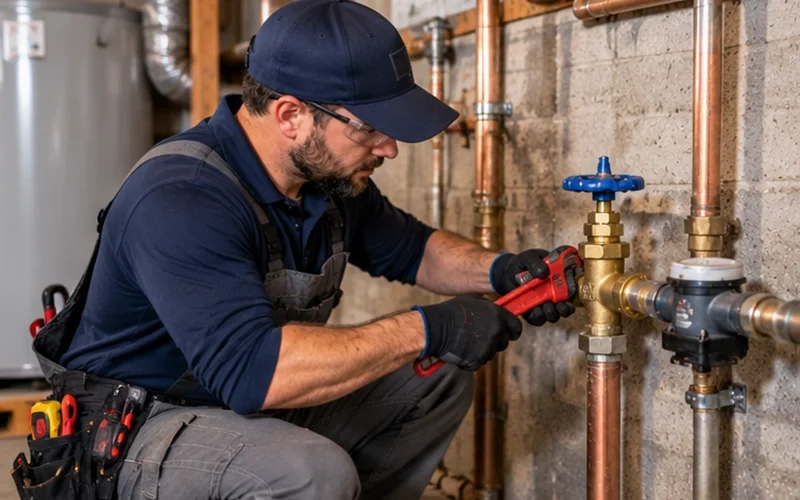
A plumber adjusts a valve on copper pipes in a basement utility room.

Why Professional Main Water Shutoff Replacement Matters

Working on a main shutoff valve involves more risk than typical fixture repairs, since mistakes can affect the entire home's water supply or the connection to the municipal line. ClearFlo Plumbing Services approaches every replacement with attention to proper technique and code compliance.

Attempting a DIY replacement without the right tools or experience can lead to stripped fittings, incomplete shutoffs, or water damage if something goes wrong mid-installation. A trained plumber understands how to safely coordinate with the water utility when necessary and how to select a valve suited to your home's plumbing setup. This reduces the chances of a repeat failure and helps the new valve perform reliably for years to come.

Main Water Shutoff Replacement Across the Piedmont Triad

Homes throughout the Piedmont Triad vary widely in age and plumbing setup, from older properties in established neighborhoods to newer construction on the region's edges. That range means shutoff valve issues can look different from one house to the next, which is why local, hands-on evaluation matters.

ClearFlo Plumbing Services provides main water shutoff replacement and repair to homeowners in Greensboro, NC, Asheboro, NC, High Point, NC, and Winston-Salem, NC. In Greensboro and High Point, older housing stock sometimes still relies on original gate valves that have simply reached the end of their usable life. Winston-Salem homeowners face similar challenges, particularly in neighborhoods with mature infrastructure, while Asheboro's mix of older and newer homes means valve conditions can vary significantly even on the same street. Wherever you're located in the Triad, our team can evaluate your current valve and recommend the right next step.

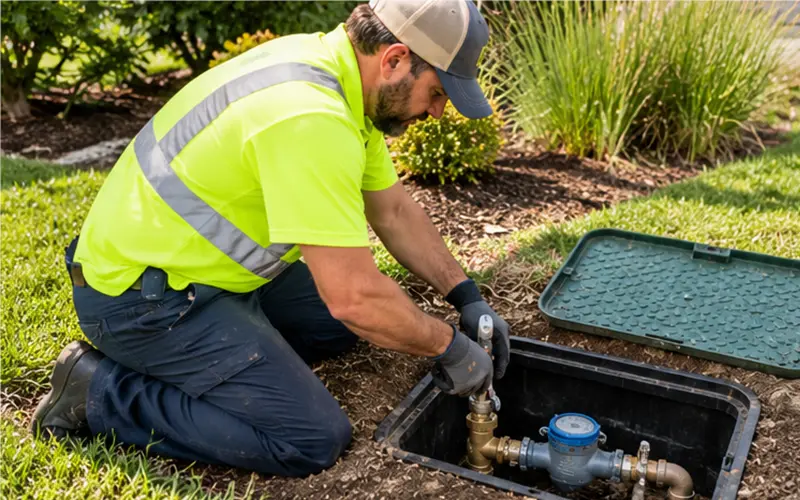
A worker in a neon yellow vest kneels and repairs a sprinkler system valve in a grassy area.

Why a Working Main Water Shutoff Valve Matters

A functioning shutoff valve isn't just a convenience, it's a safeguard against serious water damage. When a pipe fails or a fixture malfunctions, the ability to cut off water flow within seconds can be the difference between a minor inconvenience and a costly repair.

Homeowners who postpone addressing a faulty valve risk being caught without a reliable way to stop water flow during an actual emergency. Regular attention to this component, especially in older homes, helps ensure it will work correctly if you ever need it in a hurry.

Schedule Your Main Water Shutoff Replacement With ClearFlo Plumbing Services

If your shutoff valve is stuck, leaking, or showing signs of corrosion, don't wait for a small problem to turn into an emergency. ClearFlo Plumbing Services offers reliable main water shutoff replacement and repair for homeowners in Greensboro, Asheboro, High Point, and Winston-Salem, NC, backed by a team that takes the time to explain your options clearly.

Contact ClearFlo Plumbing Services today to schedule a consultation and get your main water shutoff valve inspected by a professional you can trust.

336-252-4861