
Sewer Camera Inspections for Homes Across Greensboro and the Triad

If your drains keep backing up or a toilet won't stop gurgling no matter how many times you've had it snaked, the problem might be further down the line than a plunger can reach. ClearFlo Plumbing Services provides sewer camera inspections designed to give homeowners a clear look at what's actually happening inside their sewer line, rather than guessing based on symptoms alone. For homeowners across Greensboro, Asheboro, High Point, and Winston-Salem, a camera inspection is often the most direct way to understand why a drain problem keeps returning.

336-252-4861

This page covers what a sewer camera inspection involves, when one might be worth scheduling, and what the findings can mean for your next steps.

What Is a Sewer Camera Inspection?

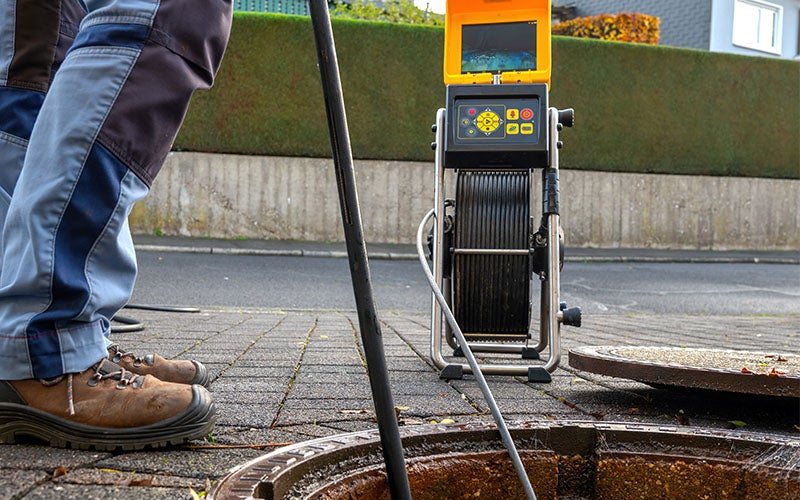
A sewer camera inspection is a diagnostic process that uses a specialized waterproof camera, attached to a flexible cable, to examine the interior of a sewer line. The camera is fed through an access point and guided through the pipe, sending a live video feed back to the technician performing the inspection.

This gives a direct, visual look at conditions inside the line that would otherwise be impossible to see without digging. Instead of relying only on how a drain is behaving above ground, a camera inspection shows the actual condition of the pipe itself, including blockages, buildup, and physical damage.

When Do You Need a Sewer Camera Inspection?

A sewer camera inspection is typically worth considering any time there's uncertainty about the condition of a sewer line or the cause of a drainage issue. Common situations include:

Recurring or slow drains. If multiple drains in your home are slow, or a single drain keeps clogging after repeated attempts to clear it, there may be an issue further down the line that a plunger or basic snake can't resolve.

Sewage backups. A backup in a tub, shower, or floor drain, especially one that happens repeatedly, often points to a blockage or obstruction somewhere in the main sewer line rather than an isolated fixture problem.

Unusual odors or sounds. Persistent sewer odors or gurgling sounds coming from drains can indicate a venting or blockage issue worth investigating further.

Aging sewer lines. Older pipes, particularly those made from materials prone to cracking or root intrusion, can benefit from periodic inspection even without an active problem.

Before buying a home. Homebuyers sometimes request a sewer camera inspection as part of their due diligence process to get a better understanding of the condition of an accessible sewer line before closing.

It's worth noting that these symptoms can have more than one possible cause, and a camera inspection helps narrow down what's actually happening rather than confirming a single diagnosis in advance.

What Can a Sewer Camera Inspection Detect?

A sewer camera inspection can help identify a range of conditions inside a sewer line, including:

  • Blockages caused by grease, debris, or foreign objects
  • Buildup that has narrowed the interior of the pipe over time
  • Tree root intrusion, which can enter through small cracks or joints
  • Cracks, fractures, or breaks in the pipe wall
  • Pipe separation at joints or connections
  • Corrosion or deterioration in older pipe materials
  • Collapsed or partially collapsed sections
  • Bellies or sagging areas where the pipe has shifted

The exact findings of any inspection depend on the condition and accessibility of the line, as well as the capabilities of the equipment being used. A camera inspection provides valuable visual information, but it isn't guaranteed to identify every possible plumbing issue, particularly problems located outside the sewer line itself.
How a Sewer Camera Inspection Works

While specific procedures can vary, sewer camera inspections generally follow a similar sequence:

1. Locating an access point

This is often a cleanout, but in some cases another accessible entry point into the sewer line is used.

2. Inserting the camera

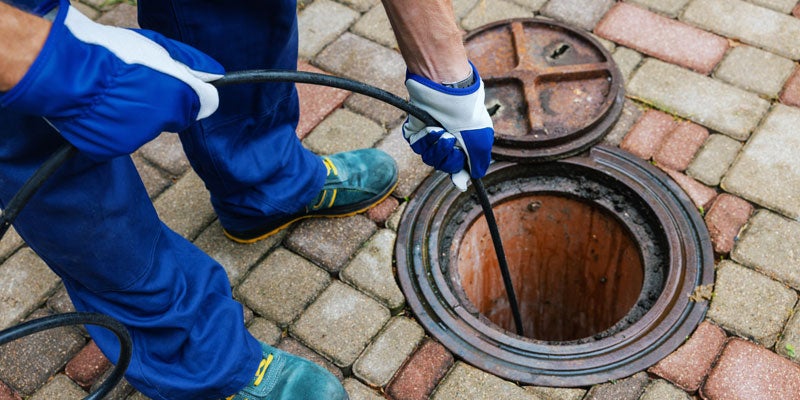
A waterproof camera attached to a flexible rod is fed into the line.

3. Guiding the camera through the pipe

The technician advances the camera slowly, monitoring the video feed as it travels through the line.

4. Reviewing interior conditions

The technician observes the pipe walls, joints, and any areas of concern along the way.

5. Identifying visible issues

Blockages, damage, root intrusion, or other abnormalities are noted as they appear on screen.

6. Discussing findings

The results help inform what, if anything, should happen next.

Because this process offers a direct look inside the pipe, it removes much of the guesswork that comes with diagnosing sewer problems from the surface alone.

Recurring Clogs and Sewer Backups

Recurring clogs are one of the most common reasons homeowners look into sewer camera inspections. A single clog is often just a clog. But when the same drain, or several drains, keep backing up despite repeated cleaning, it may point to a condition further down the line, such as root intrusion, a partial blockage, or a section of pipe that has shifted.

These symptoms don't automatically mean the sewer line has failed. Slow drains and backups can stem from a variety of plumbing issues, some more serious than others. A sewer camera inspection allows a technician to look directly at the line and determine whether the sewer line itself is contributing to the problem, rather than relying on trial and error.

Sewer Camera Inspections Before Repair or Replacement

When a sewer line problem has already been identified, or is strongly suspected, a camera inspection can play an important role in deciding what happens next. By showing the location and apparent condition of a problem area, an inspection helps clarify:

  • Where along the line the issue is located
  • What type of issue is present, such as a crack, blockage, or root intrusion
  • The visible condition of accessible sections of pipe
  • Whether additional evaluation may be needed before moving forward

This information can help homeowners and technicians have a more informed conversation about whether a targeted repair is appropriate or whether a more extensive replacement should be considered. The right solution depends on the extent and nature of the problem, and an inspection is a useful tool for making that determination rather than a guarantee of one outcome or the other.

A person uses a pipe inspection camera with a screen to examine a drain cover on a sidewalk.

Sewer Inspections for Homebuyers

Buying a home is one of the largest financial decisions most people make, and the sewer line is an easy detail to overlook during a standard walkthrough. A sewer camera inspection gives prospective buyers a look at the condition of an accessible sewer line before finalizing a purchase, which can be a useful part of broader property due diligence.

This isn't a requirement for every home purchase, and it isn't a substitute for legal or real estate guidance. But for buyers who want more information about what they're taking on, particularly with older homes, it's a practical way to reduce uncertainty about a part of the property that's easy to miss.

What Happens After a Sewer Camera Inspection?

Once the inspection is complete, the findings are used to help determine appropriate next steps. In some cases, that might mean clearing a blockage. In others, it could mean a closer look at a specific section of pipe showing signs of damage or deterioration. If no significant issues are found, the inspection still provides useful confirmation about the current condition of the line.

The value of the inspection lies in replacing uncertainty with a clear picture of what's actually happening inside the pipe, which makes it easier to decide how to move forward.

A worker in blue overalls inserts a flexible cable into a circular manhole cover set into a brick walkway.

Sewer Camera Inspections in Greensboro, Asheboro, High Point, and Winston-Salem

Homeowners across Greensboro, Asheboro, High Point, and Winston-Salem reach out to ClearFlo Plumbing Services for many of the same reasons: a drain that won't stay clear, a backup that keeps returning, or simply wanting a better understanding of an older sewer line's condition. Whether you're in a neighborhood in Greensboro dealing with a slow drain, evaluating a property in Asheboro, or trying to get ahead of a recurring issue in High Point or Winston-Salem, a camera inspection provides the same core benefit: a direct look at what's happening below the surface, rather than relying on guesswork.

Frequently Asked Questions

The length of an inspection depends on factors like the length of the line, the number of access points, and what the camera reveals along the way. Straightforward inspections tend to move more quickly, while lines with multiple issues or limited access may take longer to fully evaluate.

Yes. Root intrusion is one of the more common issues identified during sewer camera inspections, particularly in older lines or homes with large trees near the sewer path. The camera can typically show where roots have entered the pipe and how much of the interior they're affecting.

An inspection provides visual information about the location, type, and apparent severity of a problem, which helps inform that decision. It doesn't automatically determine the final solution, since that depends on the overall condition and extent of the damage found.

It isn't a requirement, but it can be a useful part of a buyer's due diligence, particularly for older homes. It gives buyers more information about the condition of an accessible sewer line before finalizing a purchase.

No. A sewer camera inspection is focused on the interior condition of the sewer line itself. Issues located elsewhere in a home's plumbing system may require a different type of evaluation.

It's helpful to know the general age of your home, whether you've experienced recurring drain issues, and the location of any known cleanouts or access points, if you're aware of them. This information can help streamline the process, though it isn't required to schedule an inspection.

Repeated backups after snaking often mean the underlying cause hasn't been fully addressed, whether that's a partial blockage, root intrusion, or a structural issue in the line. A camera inspection can help identify what's actually causing the recurring problem.

Schedule a Sewer Camera Inspection with ClearFlo Plumbing Services

If you're dealing with a drain that won't stay clear, a backup that keeps coming back, or you simply want a clearer picture of your sewer line's condition, a camera inspection is a practical place to start. ClearFlo Plumbing Services provides sewer camera inspections for homeowners in Greensboro, Asheboro, High Point, and Winston-Salem who are ready to move past guesswork and get real answers about what's going on underground.

Contact ClearFlo Plumbing Services today to schedule a sewer camera inspection and take the next step toward resolving your sewer or drainage concerns.

336-252-4861