Recurring leaks, discolored water, and stubborn pressure problems are frustrating on their own, but they often point to a bigger issue happening inside the walls: pipes that are simply wearing out. This page walks through what repiping means, the warning signs worth paying attention to, and how to decide between a targeted repair and a full system replacement.
Whole-home water repiping is a significant decision, and homeowners deserve clear, practical information before making it. Whether you're in Greensboro, Asheboro, High Point, Winston-Salem, or a nearby community, the fundamentals of pipe deterioration and repiping are the same, even though every home's plumbing layout is different.
What Is Whole-Home Water Repiping?
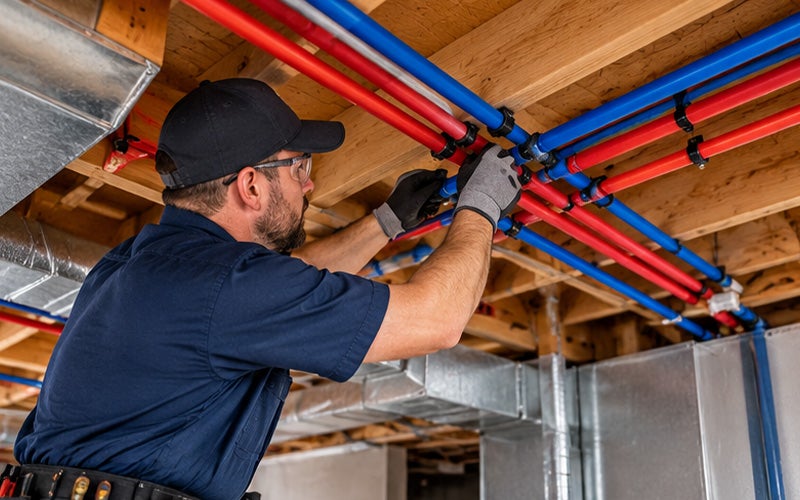
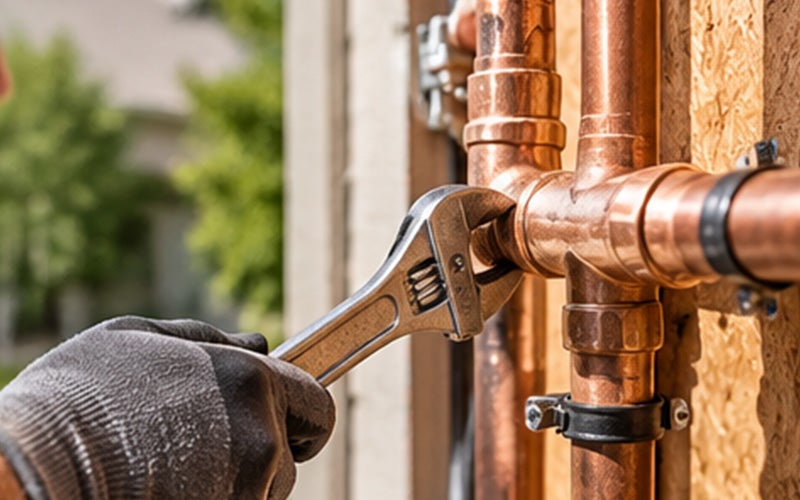
Whole-home water repiping means replacing a substantial portion of a home's existing water supply piping rather than patching or repairing individual sections one leak at a time. Instead of addressing each failure as it happens, repiping replaces the aging or compromised pipes that are causing repeated problems throughout the house.
This is different from a standard plumbing repair, which typically targets one specific leak, joint, or damaged section. Repiping takes a broader view of the plumbing system, looking at the overall condition of the supply lines rather than treating symptoms in isolation. The right scope for a repiping project depends on several factors: the age and material of the existing pipes, how extensively they've deteriorated, how the plumbing is laid out through the home, and how accessible those pipes are behind walls, floors, and ceilings. Not every aging pipe means a home needs a complete repipe. A licensed plumber can evaluate the system and help determine whether a full repipe, a partial repipe, or a more limited repair makes the most sense.
Signs Your Home May Need Repiping
Certain warning signs tend to show up when a home's water supply pipes are deteriorating. Recognizing them early can help homeowners avoid more serious water damage down the road.
Frequent or recurring leaks: A single leak doesn't necessarily mean a home needs repiping, but repeated leaks in different locations often suggest the piping material itself is breaking down rather than one isolated section failing.
Low or inconsistent water pressure: Corrosion, mineral buildup, or internal pipe deterioration can restrict water flow over time. Pressure problems can also come from other sources, such as the municipal supply or a fixture issue, so a professional evaluation helps pinpoint the actual cause before assuming the pipes are at fault.
Discolored water: Water that appears brown, yellow, or rusty when it comes out of the tap can indicate corrosion inside metal pipes. Discoloration can also result from other factors, so this symptom is worth having checked rather than diagnosed on its own.
Visible corrosion or rust: If exposed pipes, such as those under sinks or in a basement, show flaking, discoloration, or rust buildup, that's often a sign of deterioration happening throughout the system, not just at the visible spot.
Water damage from plumbing leaks: Stains on ceilings or walls, warped flooring, or a persistent musty smell can point to a slow leak that's been going undetected inside the plumbing.
An aging plumbing system with multiple issues: Homes with older pipe materials that are reaching the end of their useful life sometimes experience a pattern of small problems that, together, suggest it's time to look at the system as a whole rather than continuing to repair individual failures.
None of these signs alone confirms that a home needs full repiping. They're indicators that professional evaluation is worthwhile so a plumber can assess the actual condition of the pipes and recommend an appropriate next step.