Whether you're noticing low water pressure, strange noises behind the wall, or standing water at your feet, understanding what's happening in your plumbing system is the first step toward a lasting fix.
This guide walks through what shower & tub plumbing involves, the most common issues homeowners face, and how to know when it's time to call in a professional.
What Does Shower & Tub Plumbing Include?
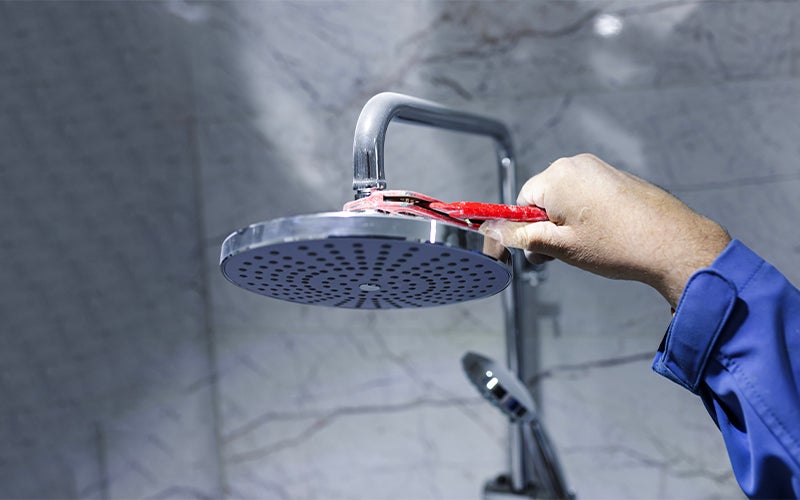
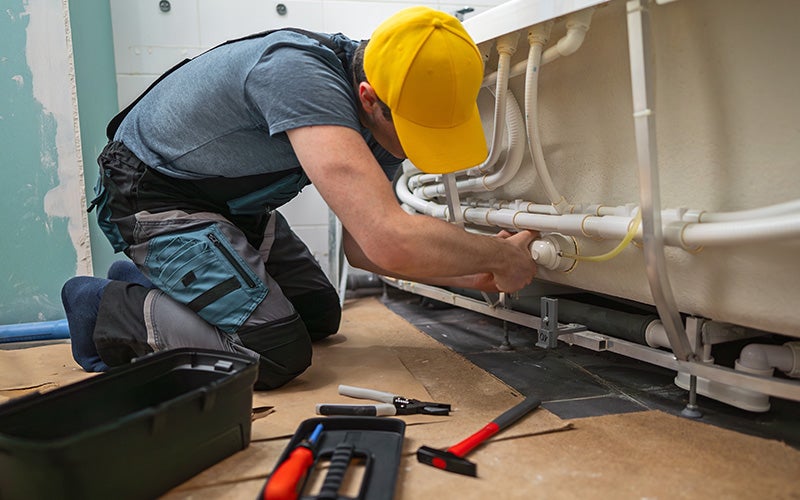
Shower & tub plumbing covers everything that allows water to flow into, through, and out of your shower or bathtub. This includes the water supply lines, the shower valve that controls temperature and flow, the showerhead and faucet, the drain assembly, and the pipes that carry wastewater away from the fixture. It also includes the seals and connections that keep water from leaking into walls or floors. When any one of these components fails, it can affect the entire system, which is why a full inspection often reveals more than the single symptom a homeowner initially notices.
Signs You Need Shower or Tub Plumbing Repair
Here are some of the most common warning signs that your shower or tub may need professional attention:
Inconsistent Water Temperature: If your shower suddenly runs cold or fluctuates without warning, this often points to a failing valve or cartridge that needs replacement.
Water Pooling Around the Tub or Shower Base: Standing water after use, especially if it appears near the edges of the tub or shower pan, suggests a leak or drainage problem that needs to be traced to its source.
Unusual Sounds From the Pipes: Banging, whistling, or gurgling sounds when the water is running can indicate air trapped in the lines, loose pipe fittings, or a partial blockage in the drain.
Visible Water Stains or Soft Spots: Discoloration on the ceiling below a bathroom or soft, spongy flooring near the tub are strong indicators of a hidden leak that has been present for some time.
Common Tub and Bathtub Plumbing Problems
Bathtubs take a beating with daily use, making plumbing issues almost inevitable over time. From slow drains to leaky faucets, these problems have a way of sneaking up on you — and when they do, knowing what you're dealing with can make all the difference in getting them resolved quickly.
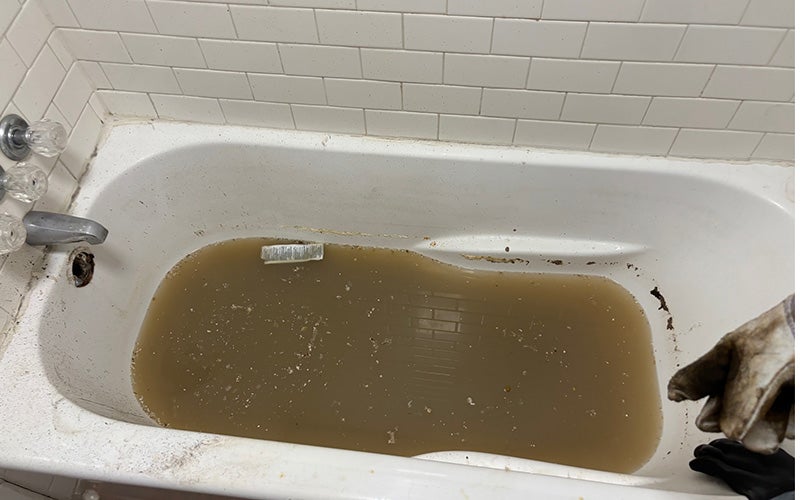
Tub Drain Clogs: Much like shower drains, bathtub drains collect hair and soap scum that build up over time. A slow-draining tub is often the first noticeable sign, and if ignored, the clog can worsen until water barely drains at all.
Bathtub Faucet Repair Concerns: A leaking bathtub faucet is typically caused by deteriorated washers or seals inside the faucet body. Constant dripping not only wastes water but can also stain the tub surface and lead to mineral buildup around the fixture.
Bathtub Plumbing Leaks Behind the Wall: One of the more serious issues in tub plumbing involves hidden leaks behind the tub surround. These leaks are harder to detect since they may not show up as visible water until damage has already spread to flooring or the ceiling below.