
Water Line Repair & Replacement for Homeowners Across Greensboro and the Triad

A failing water line rarely announces itself with a single dramatic event. More often, it shows up as a slow leak, a soggy patch in the yard, or a water bill that suddenly doesn't make sense. ClearFlo Plumbing Services helps homeowners throughout Greensboro, Asheboro, High Point, and Winston-Salem, NC understand what's happening with their water supply lines and what options make sense for repairing or replacing them. Whether you're noticing early warning signs or already dealing with a confirmed leak, knowing how water line problems develop can help you make an informed decision about next steps.

336-252-4861

What Is a Water Line?

A water line is the pipe that carries fresh water from the municipal supply, or in some cases a private well, into a home's plumbing system. The main water line typically runs underground from the street or meter to the house, where it connects to the interior plumbing that feeds sinks, showers, toilets, and appliances.

Because most of this piping is buried, problems are not always immediately visible. A leak or blockage in an underground water line can develop gradually, sometimes for weeks or months, before a homeowner notices a clear symptom like reduced water flow or an unexplained increase in water usage.

Signs Your Water Line May Need Attention

Several warning signs can point to a water line problem, though none of them confirm the cause on their own. Understanding what each symptom may indicate can help homeowners decide when it's time to call for a professional evaluation.

Unexplained increases in water bills: If your water usage habits haven't changed but your bill has gone up, a hidden leak in the supply line is one possible explanation. Water escaping underground doesn't always surface right away, which means the bill can be the first noticeable clue.

Low or inconsistent water pressure: A drop in water pressure throughout the house, rather than at a single fixture, can sometimes point to a restriction, leak, or deterioration somewhere along the main line. Low pressure has other possible causes as well, including issues with the municipal supply or internal plumbing, so this symptom alone doesn't confirm a water line issue.

Wet or soggy areas in the yard: Standing water or unusually lush, soggy patches of grass, especially during dry weather, can indicate water surfacing from an underground leak. This is one of the more visible signs of a damaged water line and often prompts homeowners to seek an inspection.

Discolored water: Water that appears brown, yellow, or rusty can sometimes result from deteriorating pipe materials, though discoloration can also stem from municipal water main work or other plumbing issues unrelated to your service line.

Recurring leaks or reduced flow: A leak that keeps returning after a repair, or water flow that seems to weaken over time, may suggest a more widespread issue with the line rather than an isolated problem.

None of these signs, on their own, provide a definitive diagnosis. They're indicators that professional evaluation may be worthwhile.

Common Causes of Water Line Problems

Water lines can develop problems for a range of reasons, many of which relate to age, material, and the conditions surrounding the pipe.

Age-related deterioration is one of the most frequent contributors, particularly in older pipe materials that were common decades ago. Corrosion can weaken pipe walls over time, especially in metal piping exposed to certain soil or water conditions. Shifting soil, whether from settling ground, nearby construction, or natural earth movement, can put stress on a buried line and lead to cracks or joint failures. In some areas, tree root intrusion can also compromise a line, particularly at joints or existing weak points.

Physical damage from digging, landscaping, or heavy equipment is another common cause, as is failure at pipe connections and fittings. Pressure fluctuations within the system can also contribute to stress on an already weakened line. In every case, the specific cause affects what kind of repair, if any, is appropriate.
Water Line Repair Services

When a water line problem is limited to a specific section of pipe, repair is often the first option considered. Water line repair generally involves addressing a localized issue, such as a crack, a failed joint, or a small section of corroded or damaged pipe, without replacing the entire line.

The right repair approach depends on several factors: where the damage is located, what caused it, how extensive it is, how accessible the pipe is, and the overall condition of the surrounding line. A single, isolated leak in an otherwise sound line is a very different situation than a line showing signs of widespread deterioration. Because these factors vary so much from one property to another, a proper repair recommendation depends on a hands-on evaluation rather than a general assumption based on symptoms alone.

When Water Line Replacement May Be Necessary

Replacement becomes a more relevant consideration when a line's problems extend beyond a single, repairable section. Several factors typically inform this decision.

The overall age and material of the line matter, since older piping nearing the end of its useful life may be more prone to additional failures even after a repair. A history of recurring leaks or multiple past repairs can suggest that the line's condition has declined to the point where ongoing patchwork is no longer a practical long-term approach. The extent of visible damage, whether it's isolated or spread across a longer section, also plays a role, as does how accessible the pipe is for repair work versus full replacement.

Replacement is not automatically the right answer just because a line is old or has needed one prior repair. It becomes a more serious consideration when the evidence points to a broader pattern of deterioration rather than an isolated incident.

Water Line Repair vs. Replacement: How the Decision Gets Made

There isn't a one-size-fits-all answer to whether a water line should be repaired or replaced. The right path depends on the specific condition, location, and extent of the problem, which is why a proper evaluation matters more than general assumptions.

A single leak in an otherwise healthy line, especially one that's easily accessible, often points toward a repair. A line with a documented history of multiple leaks, visible widespread corrosion, or damage spread across a significant length is more likely to point toward replacement. Homeowners sometimes assume that any leak means the whole line needs to go, or conversely, that repair is always the more economical and sufficient choice. Neither assumption holds up consistently. The condition of your specific line is what should guide the decision.

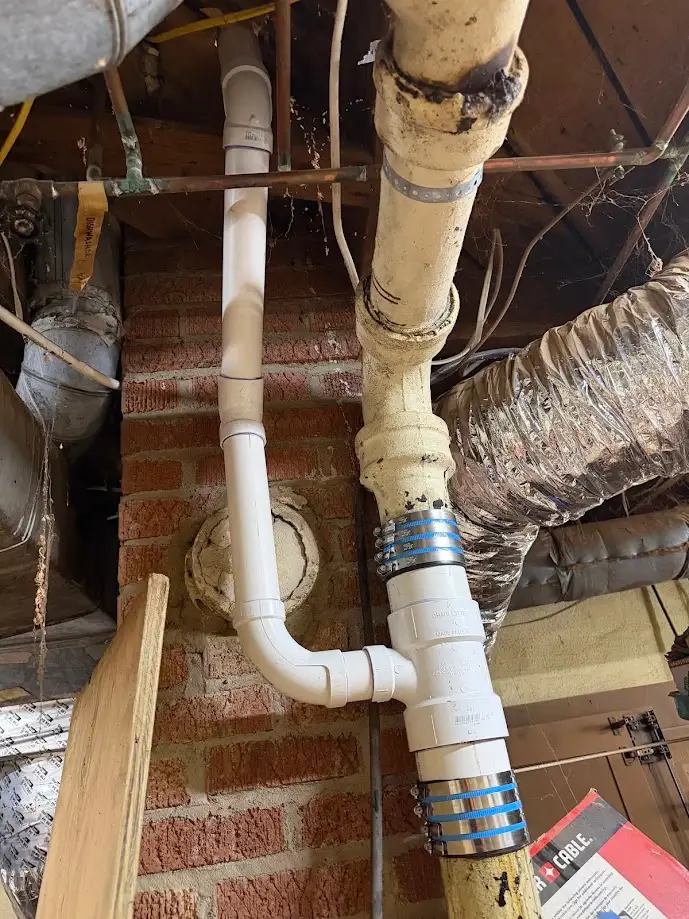
Repaired water line

How Water Line Problems Are Diagnosed

Before recommending repair or replacement, a proper evaluation typically starts with understanding the visible symptoms a homeowner has noticed, such as pressure changes, wet areas, or billing increases. From there, the evaluation generally involves assessing water pressure throughout the home, examining accessible sections of piping, and working to narrow down whether the issue originates in the main water line or elsewhere in the plumbing system.

Because water lines run underground and out of sight for most of their length, this evaluation process is an important step. It helps distinguish between a water line issue and other plumbing problems that can produce similar symptoms, such as issues within the home's interior pipes or fixtures. No single symptom offers a complete picture, which is why a broader assessment matters before any repair or replacement work begins.

What to Expect During Water Line Repair or Replacement

Every water line job looks a little different depending on the scope of the work, the location of the line, and the property itself. In general, the process starts with identifying the affected section of pipe and determining the best method for accessing it. From there, the actual repair or replacement work addresses the damaged or deteriorated portion of the line, followed by restoring the area as needed.

Because underground work involves excavation or other access methods, homeowners can expect some disruption to the affected area of their property during the process. Understanding the scope of the project upfront, including what areas of the yard or property may be affected, helps set realistic expectations before work begins.

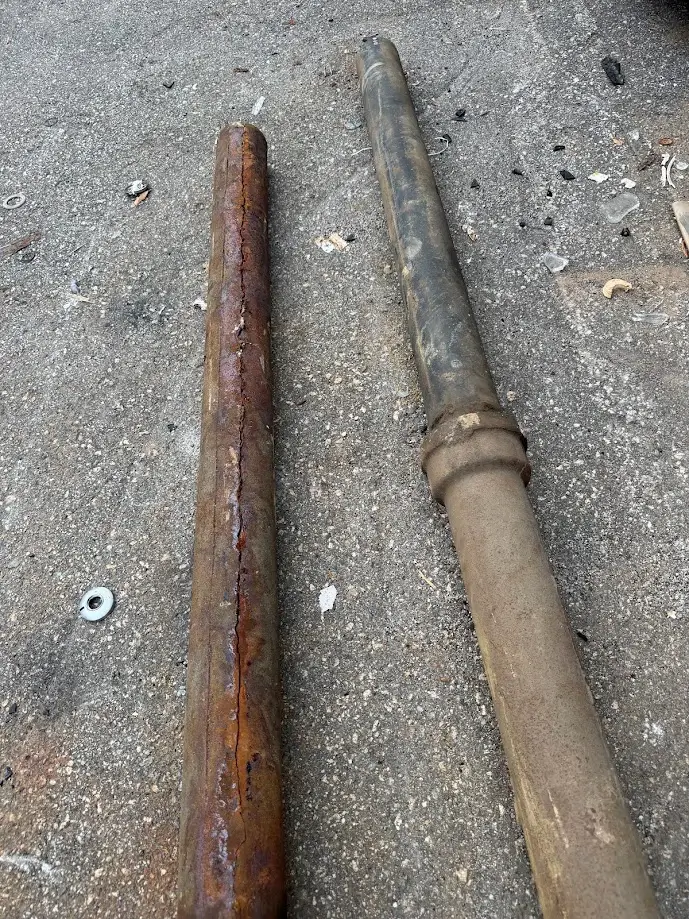
Old water pipe compared to a new water pipe

Water Line Services in Greensboro, Asheboro, High Point, and Winston-Salem

ClearFlo Plumbing Services works with homeowners across Greensboro, Asheboro, High Point, and Winston-Salem who are dealing with water line concerns, from early warning signs to confirmed leaks and line failures. Homes throughout the Triad vary widely in age and plumbing history, which means water line conditions can differ significantly even between neighboring properties. That variation is exactly why a proper on-site evaluation matters more than a generic assumption about what a particular symptom means.

Whether you're in Winston-Salem dealing with a sudden pressure drop, in High Point noticing a soggy spot in the yard, or in Asheboro trying to understand a spike in your water bill, the same principle applies: an accurate assessment of your specific line is the starting point for deciding on the right repair or replacement approach.

Frequently Asked Questions

Common signs include an unexplained rise in your water bill, low or inconsistent water pressure, wet or soggy areas in the yard, and sounds of running water when fixtures are off. These signs suggest a leak is possible, but a professional evaluation is needed to confirm the location and cause.

Yes, a leak, restriction, or deteriorating section of pipe can sometimes contribute to reduced water pressure. However, low pressure can also result from other issues within the plumbing system or the municipal supply, so it isn't a guaranteed sign of a water line problem on its own.

Lifespan varies significantly based on pipe material, installation quality, soil conditions, and water chemistry. Because so many variables are involved, it's not accurate to assign a single expected lifespan to every water line.

Cost depends on the extent and location of the damage, the material involved, and site accessibility. A localized repair is often less involved than a full replacement, but a line with widespread damage may make repeated repairs less practical over time. An on-site evaluation is the only reliable way to compare options for your specific situation.

In some cases, yes. Roots can exploit existing cracks or weak joints in a line, particularly in older piping. Root intrusion is one of several possible causes of water line damage, alongside corrosion, shifting soil, and age-related deterioration.

It's possible, since deteriorating pipe materials can sometimes contribute to discoloration. However, discolored water can also stem from other sources, so repairing a water line does not guarantee the issue will fully resolve.

Start by noting what you've observed, such as changes in your water bill, pressure, or visible wet areas, and when you first noticed them. This information helps during a professional evaluation. Avoid waiting too long to have the line assessed, since unaddressed leaks can continue to affect your property.

Since most of a water line runs underground and out of sight, professional evaluation is generally the most reliable way to identify the location and cause of a suspected problem, rather than relying on visible symptoms alone.

Get a Professional Evaluation From ClearFlo Plumbing Services

If you're noticing signs of a possible water line problem, whether it's a pressure change, a rising water bill, or a wet spot that won't go away, getting an accurate evaluation is the best next step. ClearFlo Plumbing Services helps homeowners across Greensboro, Asheboro, High Point, and Winston-Salem understand what's happening with their water lines and what options are available for addressing it.

Contact ClearFlo Plumbing Services today to schedule a consultation and get a clear picture of what your water line needs.

336-252-4861